If you sell medical devices, the law requires you to keep a specific set of papers and to produce them when someone asks. Dossalis asks you for them one at a time, files them with the date, and prints the whole folder in one click. No need to know the regulation, and no waiting on your supplier.
See if I would pass todayHow it works Free 10-question check · From €89/month · No lock-inDossalis is where you keep every piece of paperwork you are required to hold for selling medical devices — in order, and up to date.
You sell thermometers, self-tests, wound care, wheelchairs, prescription glasses, instruments or equipment. As far as the law is concerned that makes you a distributor — and a distributor has to be able to prove a handful of things about every product and every supplier.
The problem is never that you do not want to do it. It is that nobody has told you exactly which papers those are, where to put them, and how to produce them the day somebody knocks on the door. That is the part we do.
What you hold for each product and each supplier. You answer yes, no, or does not apply to me. No twenty-field forms.
In red, with the name of who you have to ask for it. Whatever is there is filed with the date you checked it.
One button gives you the complete folder, ordered and dated. That is what you hand over. No more digging through two-year-old emails.
We turn the rules into concrete, dated tasks. Everything is filed, and everything can be produced on request.
We ask you which paper you hold for each product and each supplier. You tick what you have, what you do not, and what does not apply to you. Every answer is stamped with its date.
We keep each supplier certificate and warn you 90, 30 and 7 days before it runs out. Their paperwork slipping should not end up as your fine.
Customer complaints, products that went wrong, and who you sold each batch to. They are mandatory even when empty: what gets checked is that they exist and are current.
One button and you have the whole file as a PDF, ordered and dated. If a register is empty it says so plainly: it exists, it is live, and there have been no incidents.
Every business sells different things and gets asked different questions. These are the six situations we see most often, and what changes in each one.
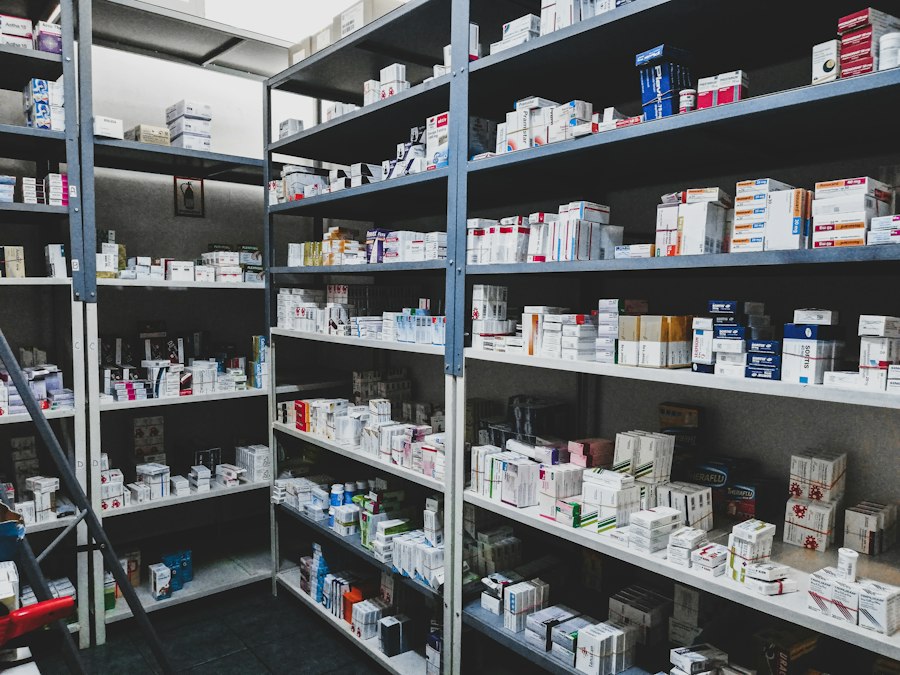
Thermometers, blood pressure monitors, self-tests, dressings, compression stockings, crutches. All of that is a medical device, even sitting next to the hand cream.
What it saves you: you start from the pharmacy template with the counter range already classified, so the first pass takes an afternoon instead of a month.
Wheelchairs, walkers, profiling beds, orthoses, custom insoles. Lots of different suppliers, and each one’s documentation sitting in a different email.
What it saves you: we tell you which paper is missing and from exactly which supplier, with the email already drafted. And if it is a supplier the trade uses widely, most of it is verified already.
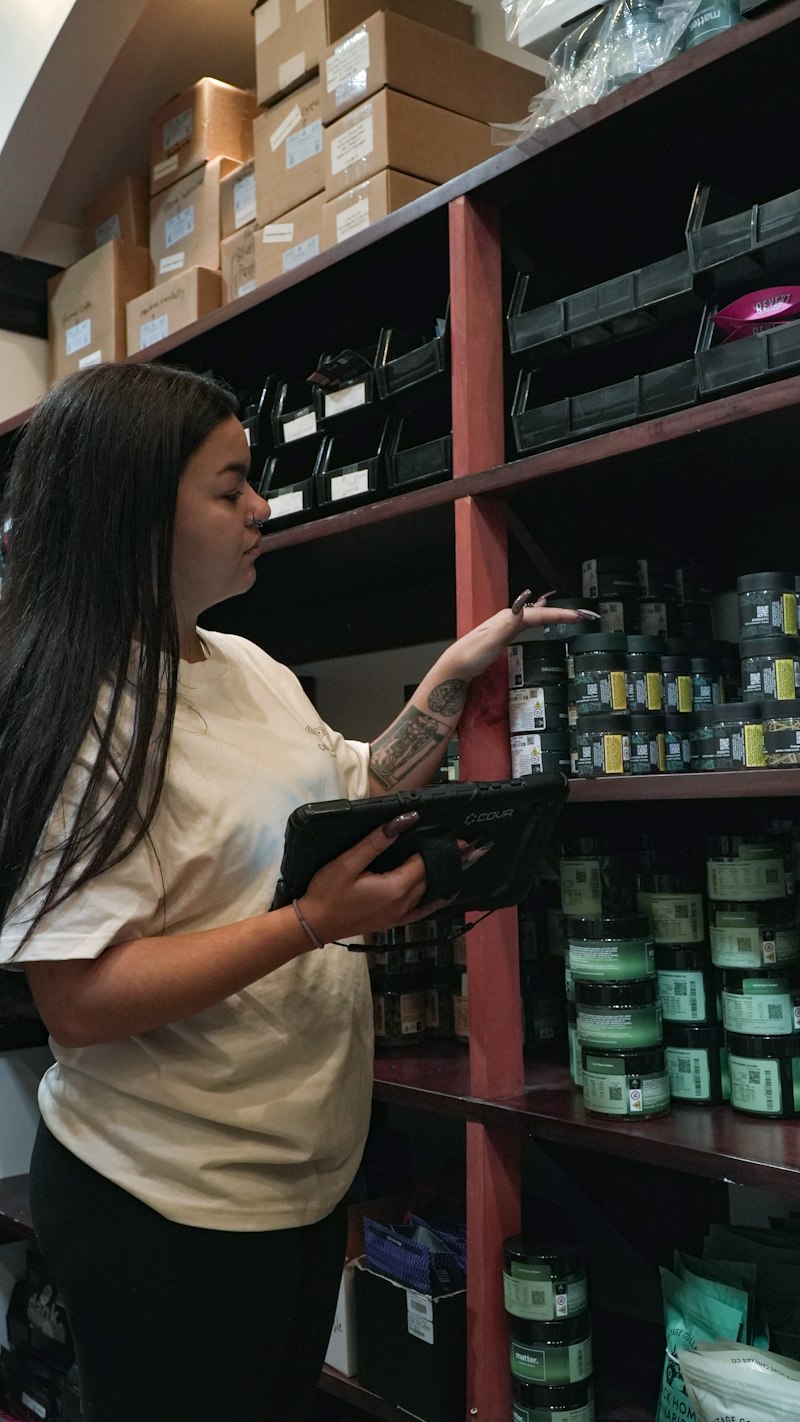
Implants, instruments, impression materials. Here the thing they go through with a magnifying glass is traceability: which batch came in, which patient it ended up in, and when.
What it saves you: purchase and sale records linked batch by batch — literally the answer to that question — and the folder that prints it in order.
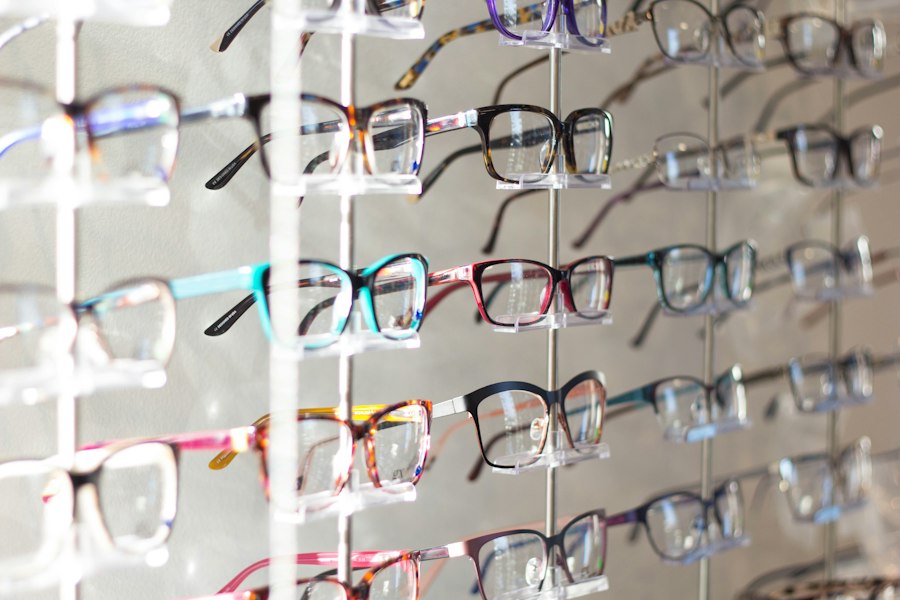
Prescription glasses and contact lenses are medical devices. So are the care solutions and a good part of the consulting-room equipment.
What it saves you: we separate what is a medical device from what is just an accessory, so you neither check more than you need to nor miss the things that count.
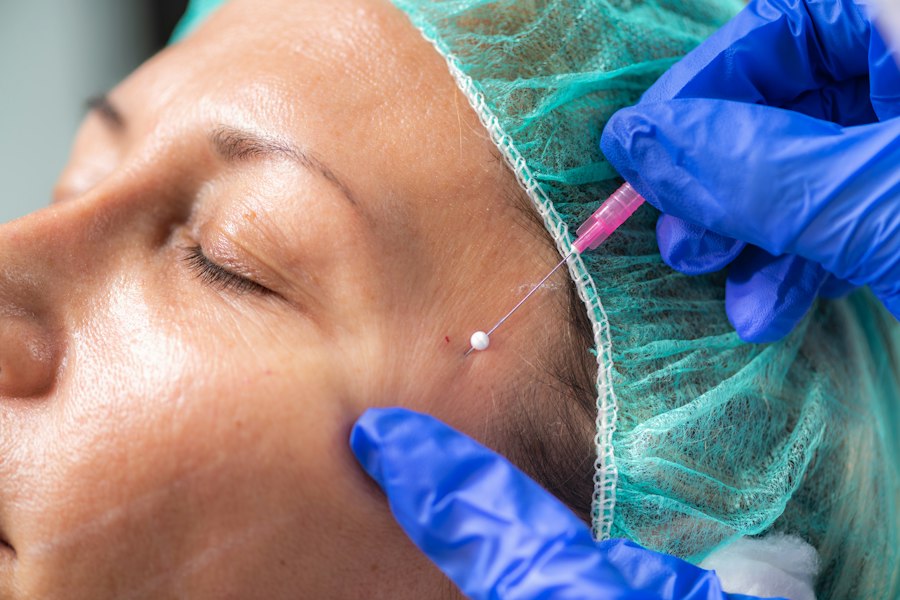
Lasers, IPL, fillers, cannulas. This is the trickiest border of the lot: there are devices with no medical purpose that the regulation covers anyway, under their own rules.
What it saves you: we flag which equipment needs the stricter check and leave a dated record of every verification you carry out.
If you buy from outside the European Union you are an importer as well as a distributor. And there the obligations do not replace each other: they stack.
What it saves you: the importer list is included at no extra cost, and the dashboard separates what you owe for selling from what you owe for bringing it in.
You do not have to have sold anything faulty. It is enough not to be able to show that you checked what you were supposed to check. And by the time of the visit, that can no longer be fixed.
are what an inspector usually asks for. The ones you are missing cannot be produced during the visit: you have to request them from the supplier, and that takes days.
Your supplier’s certificate expires without anyone telling you. But the product is on your shelf, so the problem ends up being yours.
is not the same as “here is my complaints register, and it is empty”. The obligation is to hold the register, not to have had no incidents.
Bands from the Spanish consolidated Medicines and Medical Devices Act (RDL 1/2015, art. 114). How any individual case is classified is for the competent authority to decide.
Inspections do not book an appointment, and what they ask for cannot be obtained on the spot. Here is what actually happens, hour by hour, when the file is not already built.
The competent authority in your country does not ring ahead. They show their credentials, walk in and start asking about specific products on your shelf.
The manufacturer’s certificate, the marking, the traceability of one batch, the complaints register, the register of products withdrawn and the supplier file. For every product they point at.
And what you find does not count, because a loose PDF in your mail does not prove when you checked it. What cannot be shown did not happen.
Whatever is missing goes on the record. You sign the report, and from that point on nobody argues about what was there any more: they argue about what it costs.
With its deadline to respond, its lawyer and its figure. And once it is open, producing the papers afterwards no longer wipes out the breach: at best it softens it.
Everything they are going to ask for is already in there, checked, with the date you checked it on. There is nothing to go looking for.
A public tender, a hospital or a private clinic group will ask you for this same documentation before they open you as a supplier. Without it, you do not get on the list.
Manufacturers and wholesalers are required to control who they sell to. Being sent their own supplier questionnaire is getting more common every year.
When there is a field safety notice or a recall, the first question is who you sold that batch to, and it has to be answered in days, not months.
Faced with a claim, being able to show that you checked what you were supposed to check, and when, changes your liability position completely.
is what the entry plan costs per month. The smallest fine on any national scale runs to several thousand. And before the fine there is the other cost: the hours spent rebuilding two years of email with the inspector standing there, which you never get back even if you bill them.
The ten questions that get asked in a real visit, in the order they get asked. Answer honestly: nothing leaves your browser unless you ask us for the report at the end.
It arrives as a PDF with all ten answers, what each one means, and where to start. One email only: no mailing list and no phone calls.
You get in with a link we email you. No passwords written on a sticky note, and no staff walking out of the business with the credentials.
Expiry warnings on your suppliers’ paperwork at 90, 30 and 7 days.
Complaints, non-conforming products and batch traceability registers, always live.
Mock inspection mode: the ten visit questions, run against your real data.
Shared supplier library: whatever another establishment has already verified about a supplier reaches you pre-filled, with its date.
What is on the market is aimed at manufacturers, or is billed by the hour. You sell, you work in your own language, and you need to know the price before you start.
| Dossalis | Enterprise software | Consultancy | |
|---|---|---|---|
| Templates written for your trade | Yes | Generic only | Sometimes |
| Works without your supplier taking part | Yes | No | Yes |
| You know the price before you start | €89/month | From €199/month | Request a quote |
| Set-up | €490 fixed | — | Billed hourly |
| Stays current all year | Yes | Yes | It is a PDF that ages |
We have put it down here on purpose, because the first thing that matters is what you get out of it. But if you want to see where each task in the dashboard comes from, this is exactly what the regulation says.
Pharmacy with a front-of-shop range, orthopaedics, opticians, dental depot, aesthetic clinic, online shop, wholesaler. You do not have to manufacture it or import it: selling it is enough.
If your supplier is outside the European Union, you are an importer. These obligations are added to the ones above; they do not replace them.
There are two layers to this, and it is worth keeping them apart. The European layer — Regulation (EU) 2017/745 — applies directly and identically in every member state, so articles 13, 14 and 25 read the same in Lisbon, Lyon or Leipzig. The national layer — who you register with, which authority you notify, how long you keep the paperwork — is set country by country. Dossalis builds the European layer for everyone, and today it covers the Spanish national layer in full. If you sell into another member state, tell us which one when you sign up.
Across the whole single market, every operator in the chain has to be able to identify, for a set number of years, who supplied each device to them and who they supplied it to. That is one question with one answer, and it either exists in writing or it does not. Most of the time it is sitting in delivery notes nobody has ever cross-referenced.
Regulation (EU) 2017/745, art. 25In Spain, distributors and retailers notify the start of activity to the health authority of their region — which establishment, what type of device, and where required the responsible technician. Separately, anyone placing devices on the Spanish market notifies the products themselves to the AEMPS register: trading name, unique identifier, labelling and instructions for use. Pharmacies and custom-made devices sit outside parts of this, but article 14 still applies to them.
Spanish Royal Decree 192/2023, arts. 18 and 24.3In Spain the documentation has to stay available for at least ten years from the last device you sold, and fifteen for implantables. Other member states set their own period, and it is rarely shorter. Ten years is longer than a computer lasts, or a management system, or the person who filed it.
Spanish Royal Decree 192/2023, art. 23.4Sources: Regulation (EU) 2017/745, articles 13, 14 and 25 · Spanish Royal Decree 192/2023 of 21 March, articles 18, 23 and 24 · Spanish Royal Legislative Decree 1/2015, article 114. Summary for information: how any individual conduct is classified and the amount of any penalty are for the competent authority to decide. Dossalis organises and evidences your diligence; it does not replace regulatory advice in complex cases.
No lock-in, VAT not included. If you import as well as sell, the importer list is included at no extra cost.
What keeps changing in medical devices, told without the jargon and with what to actually do about it.
Ask yourself the questions before somebody turns up to ask them for you.
Almost the whole trade buys from the same names. Verifying it once changes everything.
Which counter lines make you a distributor without you noticing.
Nothing to install, nothing to migrate and nothing new to learn. This is literally everything that happens from the moment you write to us.
The form just below: business name, an email address and what you do. That is the whole thing.
2 minutesThe same day. You open it and you are inside your dashboard, with your trade’s template already loaded.
Same dayWe ask you product by product and supplier by supplier. You answer yes, no or does not apply. Stop and pick it up again whenever you like.
One afternoonA new supplier goes in in a minute. Expiry warnings reach you by email on their own, 90, 30 and 7 days ahead.
10 minutes a monthYou open it on your phone or on the computer behind the counter, hit print and hand the folder over.
One clickYou get in through a personal link we email you, so there is no password to invent or remember, which is where most of the trouble starts. The connection is encrypted, your documents are yours and you can download the lot whenever you want. No lock-in: if you leave, the folder goes with you.
We tell you the same day whether this applies to you — spoiler: it almost certainly does — and we leave the dashboard built with your data in it.